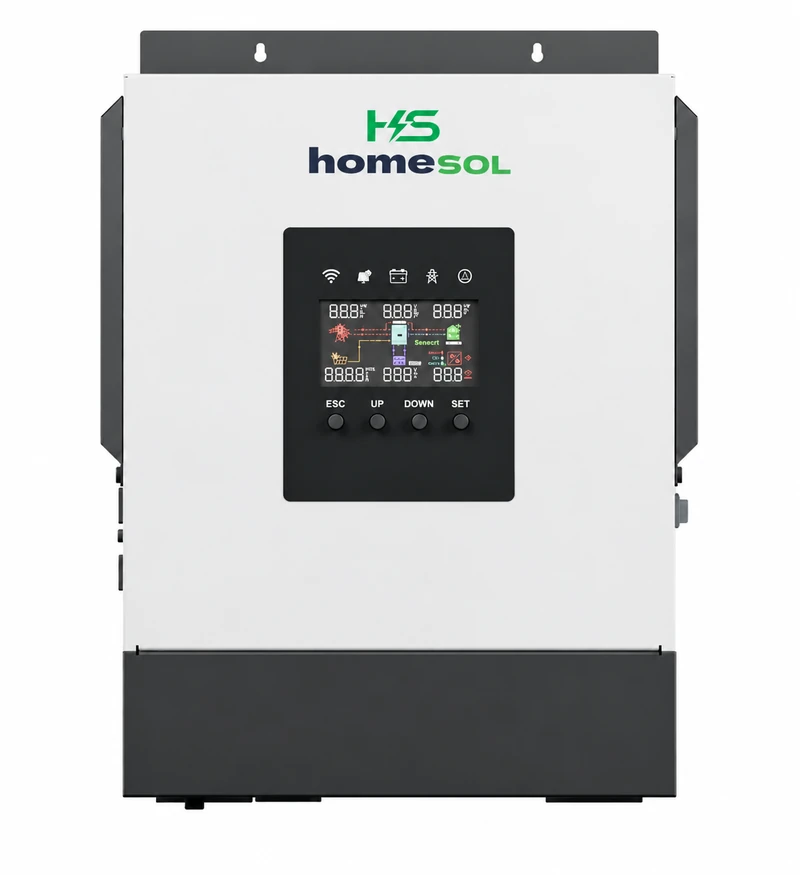
12V / 24V BATTERY
NS 2.5K / 3.5K
NS-2.5K uses 12V; NS-3.5K uses 24V. Select the battery for the exact model.
View specifications →48V or 24V? This is the most common question we receive from buyers. The answer is not simple - it depends on your system size, budget, and application. This technical guide breaks down everything you need to know.
HOMESOL's current hybrid range uses 24V on NS 3.5K and NS-4.2K, while NS-6.2K and higher-power hybrid models use 48V. Compare the current models or send your target power and quantity for distributor pricing.
For the current HOMESOL hybrid-inverter lineup, use the model specification rather than a generic power rule: NS 2.5K uses a 12V battery platform; NS 3.5K and NS-4.2K use 24V; NS-6.2K and higher-power HOMESOL hybrid models use 48V.
| HOMESOL model / range | Battery voltage | Current positioning |
|---|---|---|
| NS 2.5K | 12V | Compact hybrid inverter |
| NS 3.5K | 24V | Residential hybrid inverter |
| NS-4.2K | 24V | Residential hybrid inverter |
| NS-6.2K and above | 48V | Higher-power hybrid platform |
| Inverter conversion efficiency | 92–94% | |
| LiFePO4 battery efficiency | 92–95% | |
Use the exact model specification when selecting battery voltage. These three options cover the current 24V and 48V hybrid platforms most relevant to this guide.
NS-2.5K uses 12V; NS-3.5K uses 24V. Select the battery for the exact model.
View specifications →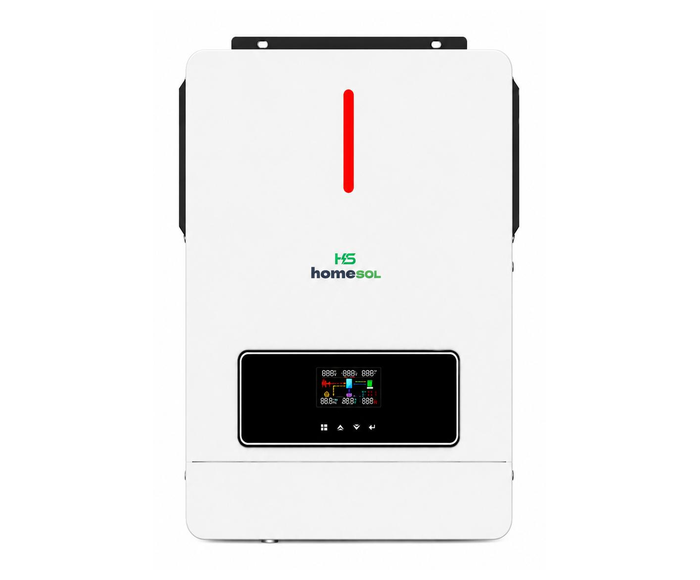
NS-4.2K uses 24V; NS-6.2K uses 48V on the same hybrid product family.
Compare 4.2K / 6.2K →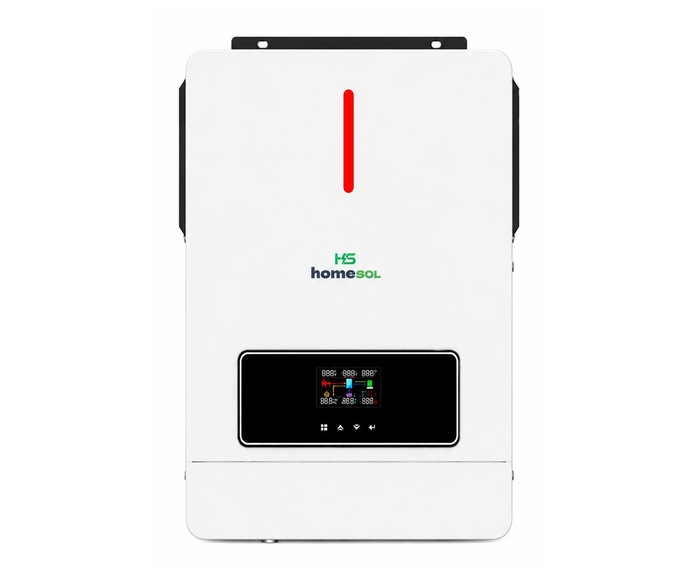
Higher-power 48V hybrid inverter family for larger residential and light commercial systems.
View specifications →For the same power and the same cable resistance, doubling the voltage halves the ideal current; resistive cable loss (I squared R) then falls by 75%. Actual inverter efficiency and battery operating voltage change the current. At 5kW, ignoring conversion losses:
At the same output power, a 48V system draws about half the ideal battery current of a 24V system. Cable cross-section must be calculated from the maximum current, run length, allowable voltage drop, installation method, temperature and local requirements. These current examples do not specify a safe cable size.
Component availability varies by market and model. For HOMESOL sourcing, confirm the battery voltage on the exact inverter model before selecting batteries, cables, breakers and communication accessories.
Both 24V and 48V systems still require correct cable sizing, over-current protection, isolation and installation practices. Do not treat either voltage as touch-safe by default; follow the product manual and applicable electrical requirements.
24V is not obsolete. It makes sense for:
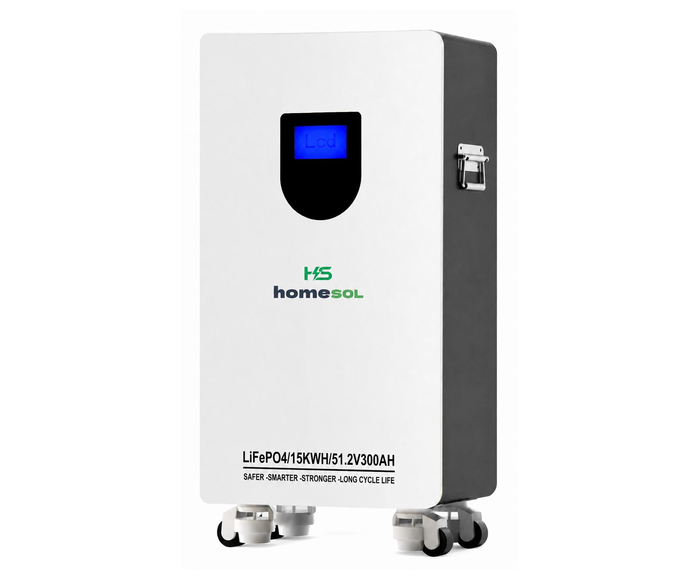
A 16-cell LiFePO4 battery has a nominal voltage of 51.2V. It may be used with a compatible 48V-class inverter only when its operating voltage, charging profile, BMS current and communication match the exact inverter requirements. Nominal voltage alone does not prove compatibility.
| HOMESOL Model | Battery Voltage | Buyer Note |
|---|---|---|
| NS-2.5K | 12V | Compact hybrid platform |
| NS-3.5K | 24V | Residential hybrid platform |
| NS-4.2K | 24V | Residential hybrid platform |
| NS-6.2K | 48V | Higher-power hybrid platform |
| NS-8.2K / 10.2K | 48V | High-power hybrid platform |
Tell us your load requirements and target market. Our technical team will recommend the optimal configuration.
Get Technical ConsultationHOMESOL supplies 6.2kW and 10.2kW 48V hybrid inverter options for distributors, installers and OEM customers. Compare specifications or request factory pricing.
For a distributor quotation, start with the exact model and application, not battery voltage alone.
Standard MOQ: 10 units. OEM MOQ: 100 units. Confirm model availability, customization scope and delivery terms with HOMESOL. App customization is not available.
Solar inverters & energy storage
Thank you. Our sales team will reply using the contact details you provided.